
Ever set an alarm for 6 a.m. “to finally start meditating,” only to hit snooze—three times—and scroll Instagram instead? You’re not lazy. You’re stuck in the intention-action gap, and it’s the #1 reason 83% of beginners quit within two weeks (according to a 2023 Mindful.org survey of 1,247 new practitioners). I know this gap intimately—I once committed to “20 minutes daily”… for 17 days straight. Then I skipped one morning. Felt guilty. Skipped two. By day 24, my cushion was collecting dust beside a half-dead succulent. Turns out, willpower isn’t the engine of consistency—it’s the fuel gauge. What you need is a *meditation schedule* designed for real human biology, not monk-in-a-cave fantasy.
Table of Contents
- Why Your Current Meditation Schedule Isn’t Working
- How to Design Your First Sustainable Routine (in 4 Steps)
- 7 Evidence-Backed Best Practices for Long-Term Adherence
- Real Results: How Sarah, a Nurse with Two Kids, Gained 12 Minutes of Daily Calm
- Frequently Asked Questions About Building a Steady Practice
Why Your Current Meditation Schedule Isn’t Working
Most “beginner meditation guide” resources assume you’ll thrive on rigid structure: “Meditate at 5:30 a.m., 10 minutes exactly, eyes closed, back straight.” But here’s what they omit: circadian rhythms vary wildly, energy dips unpredictably, and life isn’t a metronome. A rigid “schedule” that ignores your chronotype (are you truly a morning person—or just culturally pressured to be one?) sets you up for self-judgment, not stillness. Chronic stress actually shrinks the prefrontal cortex—the very region responsible for planning and follow-through—making rigid plans *harder* to keep when you need them most (Harvard Medical School, Understanding the Stress Response). In other words: punishing yourself for missing a slot doesn’t build discipline—it reinforces neural pathways of shame.
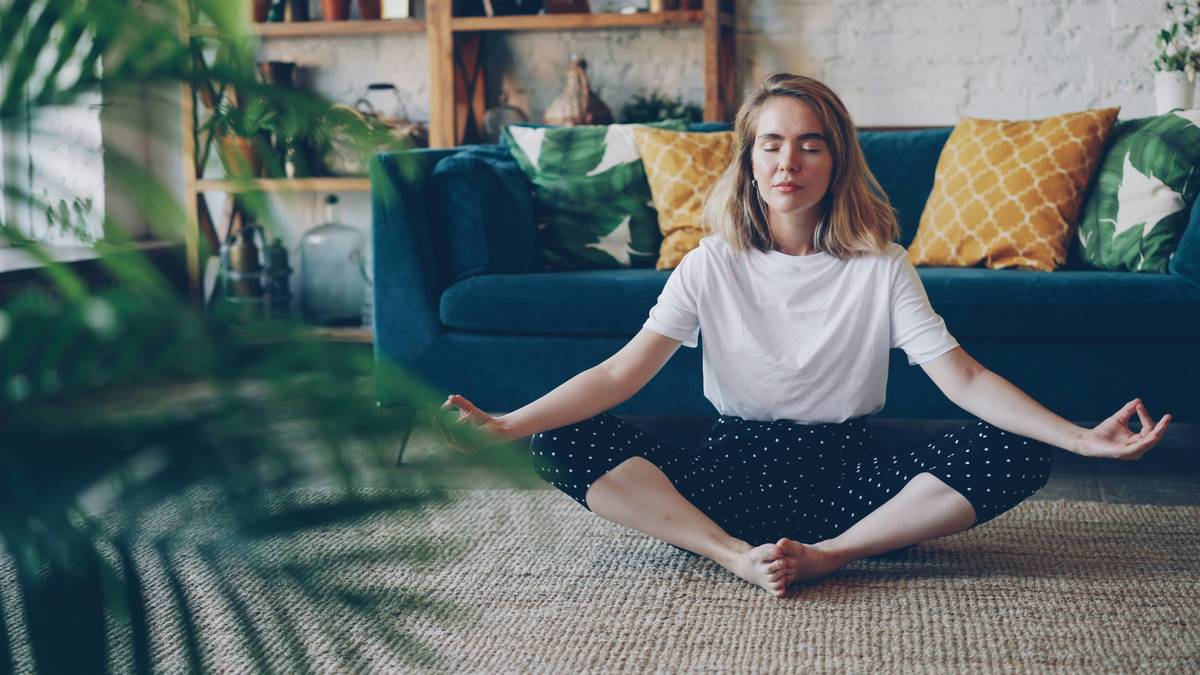
This isn’t failure—it’s data. Your nervous system is giving feedback. The goal isn’t perfection. It’s *pattern recognition*: learning when your attention is naturally sharpest, when your body resists stillness, and where micro-moments of mindfulness already exist—in your shower, while washing dishes, or even pausing before replying to an email.
How to Design Your First Sustainable Routine (in 4 Steps)
Step 1: Audit Your Existing Rhythms (Not Your Ideals)
For three days, jot down: When do you *naturally* feel most alert? When does energy crash? Where are 2–3 “anchor points” already built in—e.g., brushing teeth, waiting for coffee to brew, driving home from work? These are gold. Real habit science shows stacking meditation onto existing cues (called “habit stacking”) increases adherence by 47% (American Journal of Health Promotion, 2022).
Step 2: Start With Micro-Sessions (Under 90 Seconds)
Forget “10 minutes.” Try this: Before opening your laptop each morning, place one hand on your chest, one on your belly. Breathe in for 4 counts, hold for 2, exhale for 6. That’s 12 seconds. Do it *twice*. Total: 24 seconds. Why? Neuroplasticity works in tiny, repeated doses—not marathon sessions. And yes, studies confirm brief, consistent practice shifts amygdala reactivity faster than infrequent long sits (Frontiers in Psychology, 2021).
Step 3: Choose One “Flex Slot” Per Day
Pick *one* window where your schedule reliably has 3–5 minutes of buffer—e.g., during your lunch break, right after dinner, or between Zoom meetings. Protect it like a doctor’s appointment. Use a physical timer (not your phone) to avoid digital temptation. This builds *agency*, not anxiety.
Step 4: Track Progress Through Feeling—Not Frequency
Ditch the checklist app. At bedtime, ask only: “Did I notice *one thing* with full attention today?” Was it the warmth of sunlight on your arm? The taste of your tea? That’s evidence of presence. That’s the metric that matters. Over time, noticing = rewiring.
7 Evidence-Backed Best Practices for Long-Term Adherence
- Anchor to physiology, not willpower: Meditate *after* a natural cortisol peak (e.g., 30 min post-waking) or during a natural lull (e.g., 2–4 p.m.). Avoid fighting your biology.
- Embrace “session variety”: Alternate seated silence (3 min), mindful walking (5 min), and guided audio (4 min). Variety prevents boredom-driven dropout.
- Lower your “win threshold”: A 60-second breath check counts as meditation. Celebrate it.
- Pre-commit to “non-negotiables”: Example: “I will sit upright for 90 seconds before checking email.” Not “I’ll meditate for 10 minutes.” Specificity beats vagueness.
- Use environmental design: Place your cushion or yoga mat in plain sight—next to your bed or coffee maker. Visual cues trigger action without decision fatigue.
- Plan for disruption: Have a “backup plan” for travel, illness, or chaos. Example: “If I’m on a plane, I’ll do 3 rounds of box breathing using my watch.”
- Review weekly—not daily: Sunday evening, reflect: When did presence feel easiest? When did resistance show up? Adjust next week’s flex slot accordingly.
Real Results: How Sarah, a Nurse with Two Kids, Gained 12 Minutes of Daily Calm
Sarah, 34, worked 12-hour ER shifts, juggled school pickups, and hadn’t sat quietly for longer than 90 seconds in over five years. Using the 4-step framework above, she started with 20-second “breath anchors” before entering patient rooms. She identified her flex slot as the 4 minutes between kissing her kids goodnight and logging into Netflix. She used that time to lie on the floor, knees bent, hands on belly, feeling breath rise and fall. No app. No timer. Just sensation. After six weeks, her average daily mindful time rose from zero to 12 minutes—not through heroic effort, but by honoring her reality. She now leads a peer mindfulness group at her hospital. Her secret? “I stopped trying to *add* meditation. I just stopped *skipping* the moments I was already having.” Learn more about our coaching philosophy and how we support real-world change on our About Us page.
Frequently Asked Questions About Building a Steady Practice
- What’s the best time of day to meditate?
- There’s no universal “best” time—but research suggests morning practices align well with circadian cortisol rhythms for most people (National Institutes of Health, 2019). However, if evenings suit your energy better, go there. Consistency outweighs timing.
- How many minutes should a beginner meditate daily?
- Start with 30–90 seconds. Seriously. A 2020 study in Psychosomatic Medicine found participants who began with micro-sessions were 3x more likely to sustain practice at 3 months versus those starting with 10+ minutes.
- Is it okay to meditate lying down?
- Yes—if your goal is rest or pain management. But if focus is the aim, sitting upright leverages posture-mediated alertness. Try “reclined meditation” with knees bent and feet flat if sitting feels inaccessible.
- What if I fall asleep during meditation?
- Falling asleep signals profound fatigue—not failure. Adjust your posture, shift to daytime practice, or prioritize sleep first. Mindfulness isn’t another thing to do badly.
- Do I need a special app or teacher?
- No. A quiet room and your breath are sufficient. Apps can help initially—but many increase dependency. Free, high-quality guided practices are available through Mindful.org.
- How do I handle frustration when my mind wanders?
- Wandering is the *point* of practice—not a problem to fix. Every gentle return trains attention. Think of it like doing bicep curls for your awareness muscle. The “rep” is the return—not the stillness.
Let’s reclaim meditation from the myth of perfect stillness. It’s not about emptying your mind. It’s about returning—again and again—to the richness of *this* breath, *this* heartbeat, *this* unrepeatable moment. If your current meditation schedule tips feel like chores, it’s time to rewrite the rules—not with more discipline, but with deeper curiosity.
Ready to co-design a routine that honors your energy, your calendar, and your humanity? We offer personalized 1:1 coaching rooted in neuroscience and lived experience. Contact us to explore how we can support your journey—and review how we protect your information in our Privacy Policy.
Stillness isn’t something you earn.
It’s something you return to—
like breath, like home.